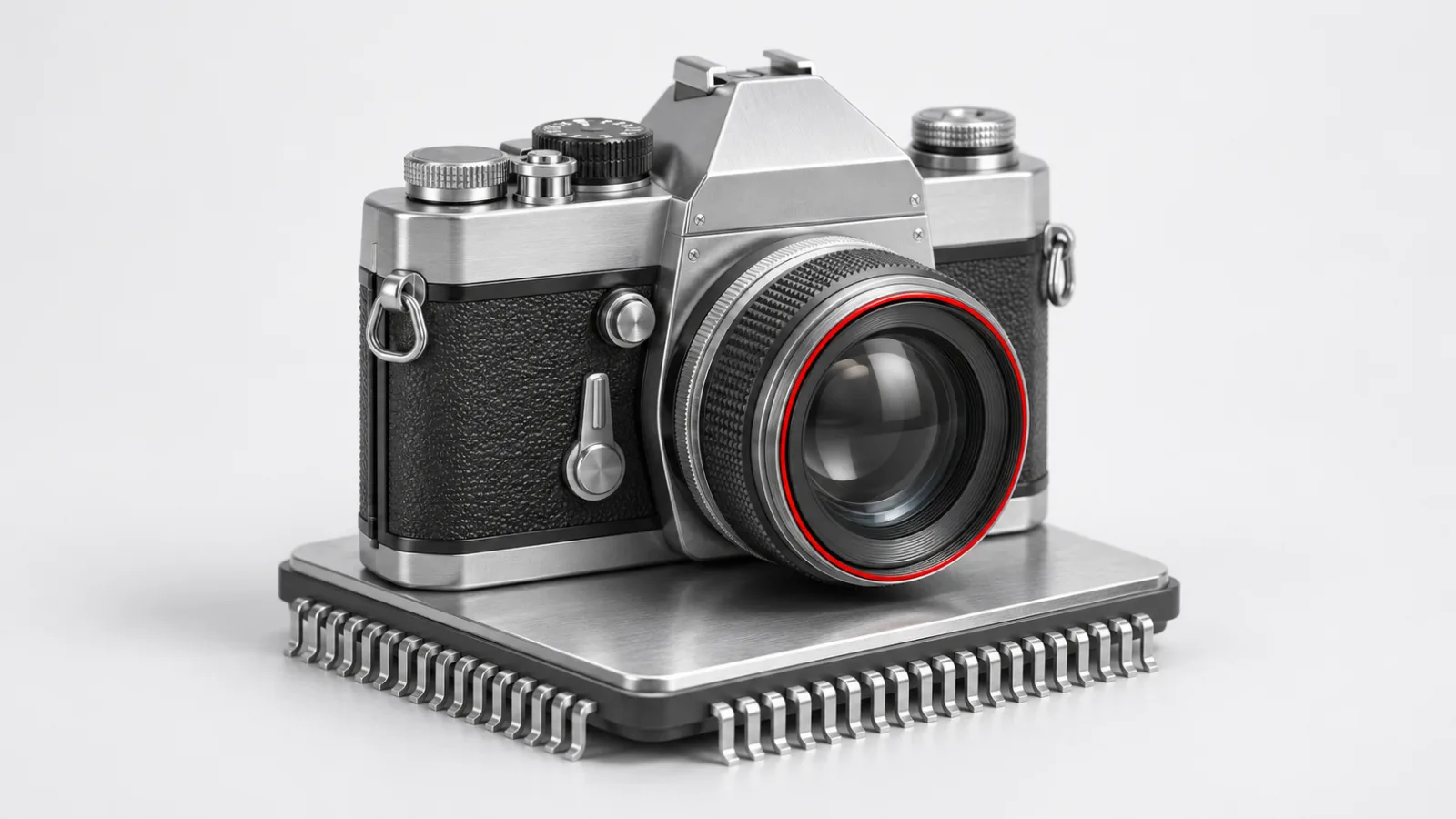
Google adds TPU 8tx for confidential inference and TPU 8i Max for long context
Google's two new eighth-generation TPU systems target secure AI on sensitive data and million-token workloads, with new PyTorch and open-source tools.
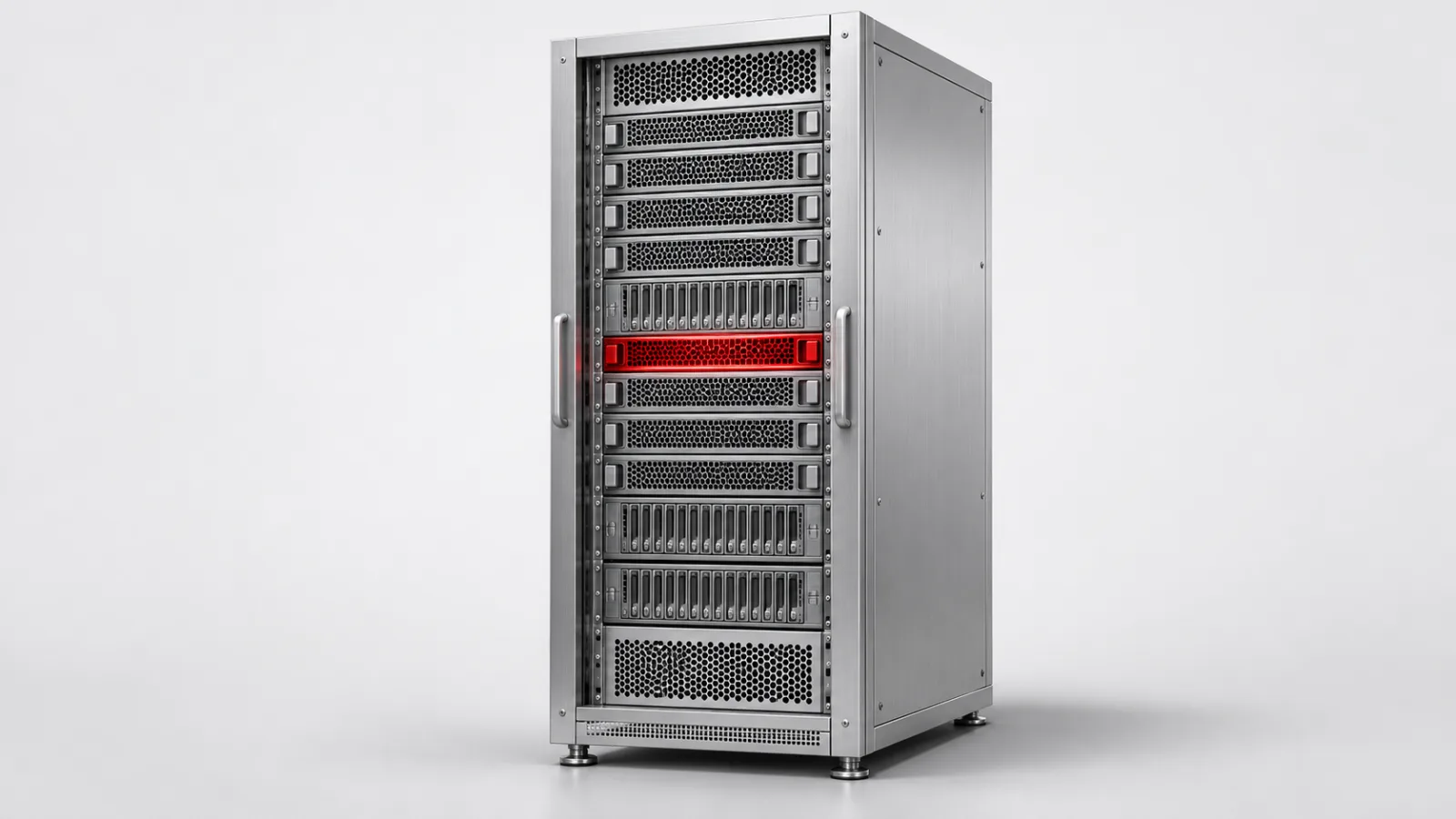
TL;DR
- TPU 8tx uses TPU 8t silicon with AMD EPYC hosts and keeps data and model weights protected while in use [2].
- TPU 8i Max puts two TPU 8i chips in one package, with double the compute, SRAM and HBM bandwidth of TPU 8i [2].
- Google also announced a TPU agent suite for Claude Code, Cursor and Antigravity, and open-sourced TPU Sync [2].
Google announced two more eighth-generation TPU systems on 9 November 2026: TPU 8tx for secure, confidential inference and TPU 8i Max for very large context windows [2]. With TPU 8t and TPU 8i, announced in April, this makes four TPU systems in one year, a first for Google [2]. TestingCatalog covered the announcement the same day [1].
New systems, existing chips
Both are new system designs built around existing silicon rather than new chips [1][2]. Google says its modular design lets it change packaging, memory, networking and security around a chip in months rather than years [2].
TPU 8tx is built on the same silicon as TPU 8t and paired with 5th Generation AMD EPYC CPU hosts [2]. It adds hardware-level confidential computing, so data and model weights stay protected even while they are being processed, not only when stored or sent over a network [2]. It uses the low-latency Boardfly network made for TPU 8i, and Google says it delivers up to 2x lower latency than TPU 8t with a near-zero performance penalty [2]. Google aims it at regulated companies and governments, and says it can also handle private fine-tuning, distillation and reinforcement learning on one system, without moving sensitive data between clusters [2].
TPU 8i Max combines two TPU 8i chips in one package, giving double the compute, SRAM and HBM bandwidth of TPU 8i [2]. It targets agents working across whole codebases or hours of video, where memory bandwidth becomes the bottleneck [2]. Google says it fits twice the silicon in the same rack footprint [2].
Software for developers
Google is also trying to make TPUs easier to use from common tools [2]:
- TorchTPU, open-sourced the month before, runs PyTorch code and Hugging Face models natively on TPUs, with TPU backends for vLLM and SGLang.
- An open-source TPU agent suite, in preview, plugs into Claude Code, Cursor and Google Antigravity to help with onboarding, bottleneck diagnosis and kernel tuning.
- The open-source XLA Serving Engine serves models in a low-latency C++ runtime across TPUs, GPUs and CPUs.
- TPU Sync, also open-sourced, moves KV caches across chip memory, host memory and storage; Google says it cuts KV transfer latency and time to first token by more than 90%.
- Agent Compute Engine suspends and resumes idle agent sessions to cut costs while agents wait on tools or people.
Cloud Pathways and GKE dynamic slicing are now generally available on Google Kubernetes Engine [2]. Google says dynamic slicing makes job startup up to 5x faster and fault recovery up to 4.5x faster [2].
Limits
Google did not give pricing, regional availability or launch dates for TPU 8tx or TPU 8i Max in the announcement [2]. TestingCatalog notes that it also gave no absolute HBM capacity for TPU 8i Max [1]. The performance figures are Google’s own.
Sources
Written and checked by AI from the sources below
- Google adds new TPU 8tx and TPU 8i Max for AI workloads
- Our newest TPUs: 8tx and 8i Max, built for the agentic era
Fact-checked by gpt-6.1-sol on · Editorial policy