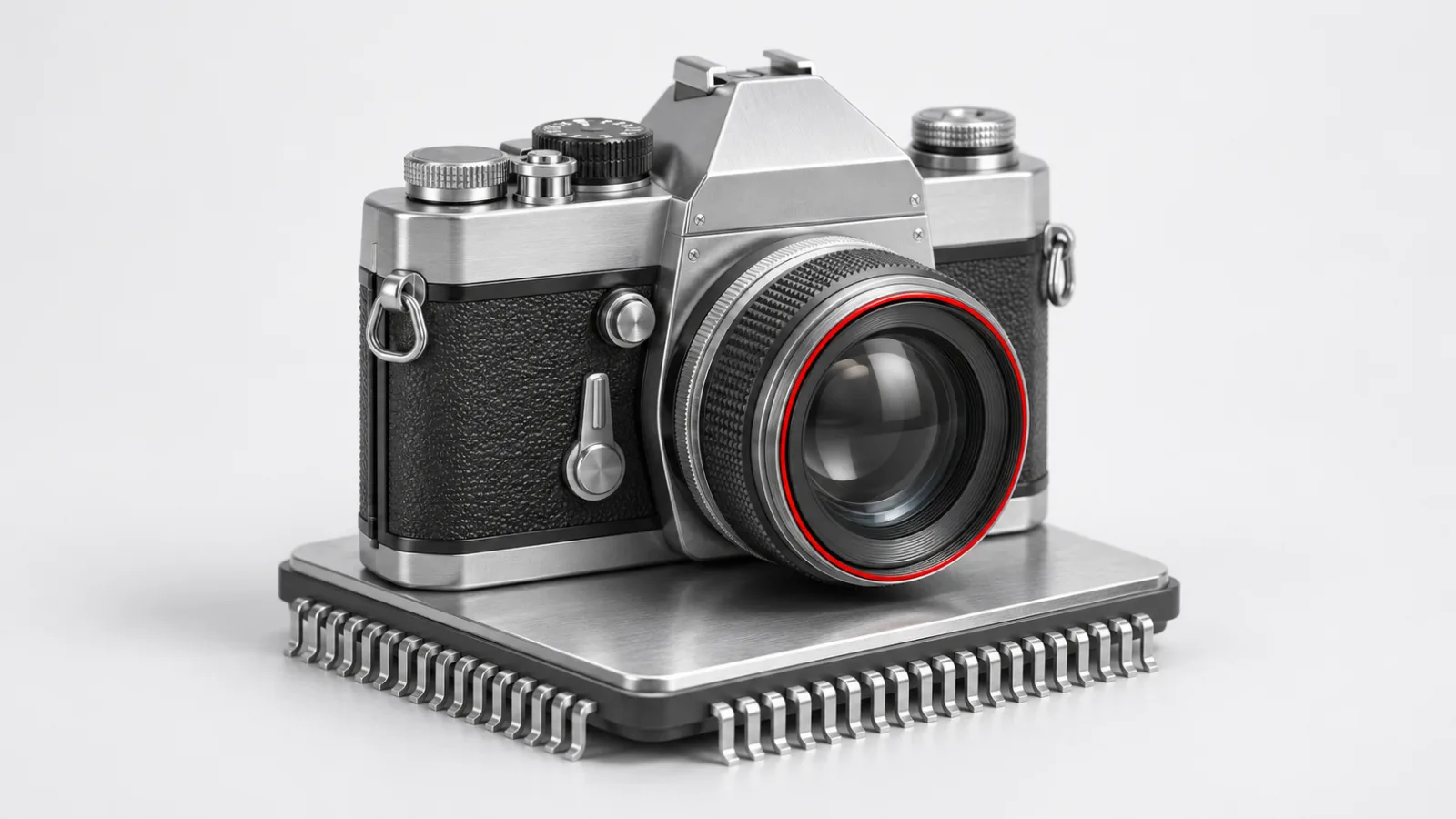
NVIDIA RTX Spark compact desktops go on sale with up to 128GB memory
ASUS, Dell and MSI now sell RTX Spark mini PCs with a 20-core Grace CPU, a Blackwell RTX GPU and up to 128GB of unified memory for local AI.
TL;DR
- RTX Spark compact desktops from ASUS, Dell and MSI went on sale on 18 November 2026 [1].
- Each has a 20-core Grace CPU, a Blackwell RTX GPU with 6,144 CUDA cores and up to 128GB of unified memory [1].
- Windows ML can now run any GGUF model from Hugging Face through a llama.cpp backend [1].
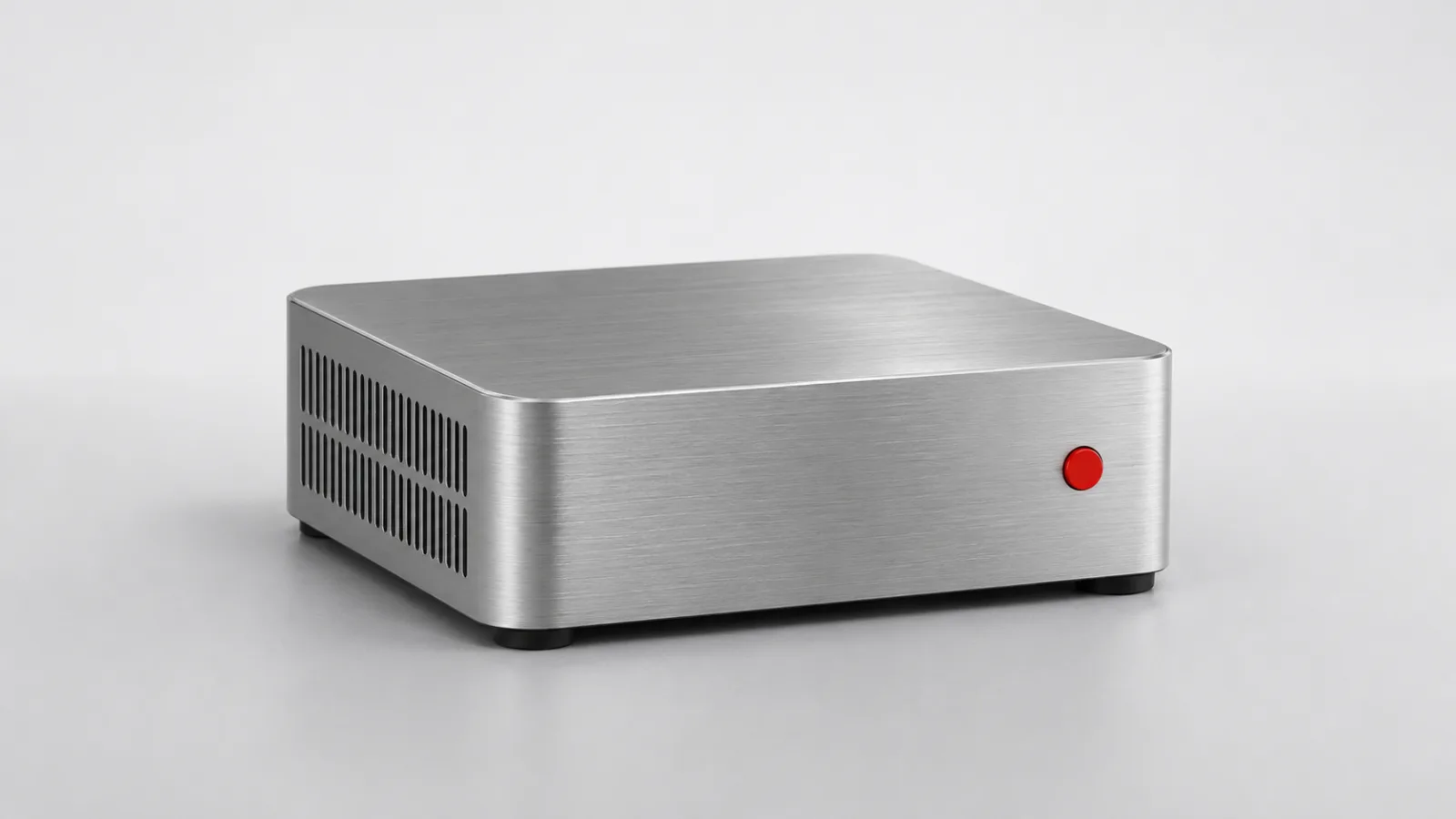
NVIDIA said on 18 November 2026 that RTX Spark compact desktops from ASUS, Dell and MSI are now on sale [1]. The small Windows PCs are built for running AI models, agents, image and video generation and model fine-tuning locally [1]. Mini PCs from Acer, GIGABYTE and HP are coming soon, along with the Microsoft Surface RTX Spark Dev Box [1].
Why it matters
The desktops join RTX Spark laptops that are already on sale [1]. NVIDIA pitches a desktop as a machine that keeps agents and scheduled tasks running while a laptop is away or busy [1]. For developers, the main points are memory and cost: up to 128GB of unified memory leaves room for larger local models, and when supported models run on the PC, the code and files processed locally stay on it and those tasks avoid per-token cloud API charges [1].
Hardware
The desktops pair a 20-core NVIDIA Grace CPU with an NVIDIA Blackwell RTX GPU that has 6,144 CUDA cores, plus up to 128GB of unified memory [1]. NVIDIA rates them at up to 1 petaflop of AI performance [1]. They have 10-gigabit Ethernet for moving datasets and model files to and from network storage [1]. NVIDIA says they can run 120-billion-parameter language models locally [1]. Named models include the ASUS ProArt GR1X and the MSI EdgeMesa N AI+ Series [1].
Software for developers
The machines run Windows on Arm, and NVIDIA lists native CUDA support plus Linux tools through Windows Subsystem for Linux [1]. Developers can set up agents with Hermes Agent or NVIDIA NemoClaw blueprints and fine-tune supported models with Unsloth [1]. NVIDIA Switchyard, now in Hermes, routes agent tasks between local and cloud models, so everyday tasks can run on the device while advanced reasoning draws on cloud models [1].
Windows ML updates were also announced at Microsoft Ignite: developers can now bring any GGUF model from Hugging Face and run it in Windows ML through the llama.cpp backend [1]. A DxCGC backend, released as experimental, compiles and runs machine learning models through DirectX 12 for game developers [1].
Apps and limits
Adobe Illustrator and InDesign now have native Windows on Arm versions, and NVIDIA says Illustrator runs up to 30% faster than its emulated version [1]. Substance 3D Painter 12.2 runs natively on Arm for the first time, but only in public beta [1]. Blender 5.3 adds DLSS 4.5 Ray Reconstruction to the Cycles viewport; using it requires Blender 5.3 and the latest Game Ready or Studio driver [1]. The announcement does not list prices, and it gives memory only as “up to 128GB” [1].
Sources
Written and checked by AI from the sources below
Fact-checked by gpt-6.1-sol on · Editorial policy